everything you need to know about glass bottle manufacturers
The Craft of Glass Packaging: Enhancing Your Brand Through Eco-Friendly Glass Bottles
The art of glass packaging offers brands a distinctive pathway to stand out. Through sustainable practices, glass bottles improve aesthetic presentation while resonating with environmentally aware consumers. Their intrinsic properties, including recyclability and chemical safety, reflect a dedication to quality standards. As brands navigate this evolving landscape, understanding the multifaceted benefits and challenges of glass packaging becomes essential for long-term success. What innovative strategies are brands employing to maximize these advantages?
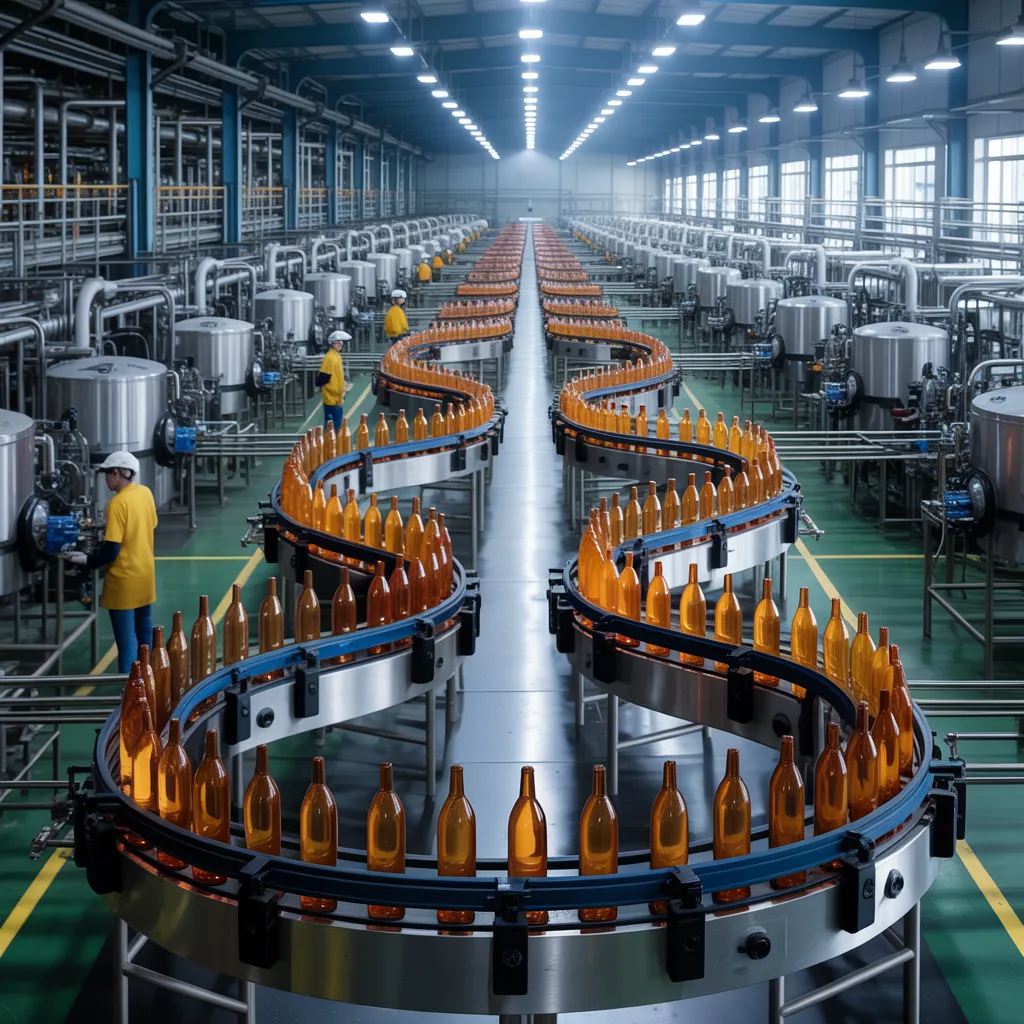
What Makes Glass Packaging the Right Choice for Your Brand
Opting for glass packaging can considerably elevate a brand's reputation and environmental initiatives. Businesses that select glass demonstrate a commitment to quality and high-end consumer experiences, resonating with sophisticated customers who value both visual and practical qualities. Glass provides a classic and refined aesthetic, enhancing a brand's recognizable image while offering a tactile experience that no alternative material can equal.
Moreover, glass packaging communicates a feeling of cleanliness and security, as it is devoid of toxic substances commonly present in plastic materials. This choice can attract sustainability-minded buyers who connect glass with ethical choices. Furthermore, its durability allows for repeat use, thereby strengthening a brand's commitment to eco-friendly practices.
In an industry increasingly focused on environmental impact, embracing glass packaging solutions can distinguish a brand cultivating loyalty and enhancing consumer trust. At its core, this calculated move positions brands as leaders in quality and environmental responsibility, aligning with the values of today's consumers.
The Environmental Advantages of Glass Bottles
Glass containers provide substantial sustainability benefits that differentiate them from other packaging materials. Glass bottles are 100% recyclable, supporting a circular economy where materials can be reused indefinitely without compromising quality. This property considerably decreases the need for raw materials, consequently limiting natural resource extraction and energy expenditure connected to the production process.
In addition, glass packaging is inert, meaning it does not release dangerous compounds into its contents, ensuring safer consumption. Unlike plastic, glass does not contribute to microplastic pollution, which is a growing environmental challenge.
The manufacturing of glass bottles similarly results in reduced greenhouse gas emissions in comparison to plastic. With advancements in manufacturing processes, energy efficiency has been greatly enhanced, further reducing the carbon footprint associated with glass production.
Innovative Designs That Enhance Glass Packaging
Unique aesthetics in glass containers are revolutionizing how products are perceived. Original silhouettes and configurations not only improve usability but also attract consumer attention. Moreover, striking color combinations further enhance the visual impact, making glass packaging stand out on shelves.
Unique Shapes and Structures
Innovative solutions in packaging made from glass not only enhance aesthetic appeal but also fulfill an important purpose in setting brands apart. Unique shapes and structures can craft remarkable experiences for buyers, enabling products to capture attention on busy retail displays. As an example, irregularly shaped bottles or angular designs can evoke curiosity and encourage interaction. These original shapes often complement a brand's character, solidifying its brand narrative and ideals. Furthermore, distinctive structures can elevate performance, such as more convenient gripping or optimized pouring. Businesses that commit to original glass design concepts project a strong focus on superior quality and green practices, appealing to sustainability-minded customers. Through emphasizing creativity in their packaging choices, businesses can build stronger bonds with their customers, consequently strengthening customer commitment and improving market positioning.
Captivating Color Palettes
Rich color combinations serve a vital function in improving glass container aesthetics, converting standard bottles into captivating visual expressions. Through the thoughtful application of carefully selected colors, companies can stir feelings and craft lasting impressions for customers. Striking colors can indicate superior craftsmanship, while softer tones may convey delicacy and sophistication.
Moreover, the use of gradients and multi-toned designs brings depth and sophistication, capturing attention on busy shelves. Sustainable practices further enhance the appeal; eco-friendly dyes and finishes resonate with conscious consumers. Ultimately, the right color palette not only captures a brand's essence but also underscores its pledge to sustainability, positioning glass packaging as a compelling differentiator in a competitive marketplace.
How Does Glass Packaging Enhance Product Perception?
Glass packaging notably improves the perception of products with its premium aesthetic and tactile quality, instilling a sense of elegance in consumers. The inherent transparency and optical clarity of glass provide a clear and unimpeded view of the contents, solidifying the product's quality appeal. Furthermore, glass packaging supports environmentally responsible brand values, appealing to environmentally conscious consumers.
Luxurious Feel And Appeal
The use of glass packaging considerably boosts the recognized quality of a product, often associating it with quality and elegance. Customers often link glass with luxury, contributing to enhanced brand loyalty and positive consumer experiences. The sensory quality of glass, with its refined surface and heft, creates a luxurious sensation that plastic is unable to match. This sensory engagement builds a relationship between the product and the consumer, cultivating a sense of excellence. Furthermore, glass packaging conveys a commitment to sustainability, resonating with environmentally-conscious buyers. As a result, businesses employing glass containers can establish themselves as superior choices within their markets, appealing to thoughtful consumers who prioritize both visual appeal and responsible practices in their consumer decisions.
Visual Transparency And Clarity
When shoppers come across products in glass containers, their perception is often enhanced by the natural visual openness and clearness it offers. This openness enables prospective customers to view the contents within, building a feeling of confidence and genuineness. The clarity of glass not only showcases the product's quality but also highlights its color and texture, elevating the overall visual experience. Moreover, the removal of labeling interference on clear glass enables the product to stand at the forefront, producing a more captivating retail encounter. Glass containers can enhance brand image by communicating a dedication to excellence and artisanship. This see-through quality ultimately guides customer determinations, encouraging a deeper emotional connection with the product and the brand.
Environmentally Conscious Brand Positioning
Environmentally aware brands utilize glass materials to reinforce their commitment to sustainability, meaningfully improving the way consumers view their products. Glass conveys a sense of quality and purity, defining a loftier benchmark when measured against plastic counterparts. This medium not only highlights the environmental principles of a brand but also appeals to consumers who prioritize environmentally responsible choices. The sensory quality of glass—its density and surface—further amplifies the perceived premium nature of the product. Additionally, the recyclability of glass aligns with the growing consumer demand for sustainable practices, strengthening consumer allegiance. By opting for glass, brands not only demonstrate their commitment to ecological responsibility but also present their products as top-tier selections, thus building a favorable reputation in a crowded market.
How Brands Are Winning With Glass Packaging
Numerous brands are succeeding by transitioning to glass packaging, demonstrating its appeal to consumers and commitment to sustainability. For instance, a glass packaging well-known beverage company transitioned to glass bottles, producing a 30% boost in sales within a year. The switch not only boosted product visibility on shelves but also appealed to eco-conscious consumers, solidifying the brand's sustainability message.
A different cosmetic company made a successful switch to glass vessels, greatly elevating its luxury brand perception. This change drew in a dedicated clientele that values both design quality and sustainable values. Moreover, a craft beer producer adopted reusable glass growlers, fostering customer loyalty and reducing waste. These real-world cases show that glass solutions not only satisfy market needs for environmentally responsible choices but also reinforces brand value and industry presence. Such thoughtful selections underscore an expanding movement among companies seeking to incorporate green principles into their strategies while resonating with contemporary buyers.
Ways to Tackle Challenges in Glass Packaging
Managing the difficulties of glass packaging demands innovative strategies and a thorough understanding of the market. Businesses often face issues such as high production costs, weight concerns, and fragility. To address these, companies can implement cutting-edge production methods that minimize material waste and improve product strength. Collaborating with suppliers to source sustainable resources also reduces ecological footprint while appealing to eco-aware consumers.
An additional obstacle involves transportation logistics, given glass's weight. Adopting intelligent logistics strategies, including optimized shipping methods and packaging designs, can reduce expenses and ensure product protection while in transit. Furthermore, raising consumer awareness regarding glass's superiority over plastic can build brand loyalty and stimulate demand. By embracing these strategies, companies can surmount challenges in glass packaging and position themselves as leaders in sustainable practices, thereby strengthening their brand reputation and market standing.
Upcoming Trends in Sustainable Glass Packaging
As the appetite for sustainable packaging solutions expands, the glass packaging industry is on the brink of significant transformation. Innovations in manufacturing processes are expected to enhance energy efficiency, lowering the environmental impact linked to glass manufacturing. Furthermore, the adoption of lightweight glass bottles will emerge as a key trend, reducing shipping emissions while preserving product quality.
Recycling efforts will continue to strengthen, with greater cooperation between producers and local governments to enhance the collection and processing of glass. Moreover, the integration of smart technology into packaging will enable enhanced visibility across the supply chain, allowing businesses to demonstrate their green initiatives with greater effectiveness.
Growing consumer demand for sustainable products will further accelerate the creation of customizable, aesthetically pleasing designs, marrying functionality with visual appeal. As companies increasingly embrace sustainable practices, the glass packaging market is prepared to reshape its direction, addressing wider ecological objectives while satisfying the demands of environmentally aware consumers.
Questions We Often Receive
How Do the Costs of Glass Packaging Compare to Those of Plastic?
Glass packaging typically carries higher costs owing to production, distribution, and recycling demands compared to plastic. Nevertheless, it provides sustainability benefits and enhanced brand perception, which can justify the investment for some businesses.
How Do I Customize Glass Bottles for My Brand?
Businesses have the ability to tailor glass bottles with original forms, tones, and surface treatments. Engraving, labeling, and printing designs elevate brand recognition. Collaborating with vendors secures alignment with eco-friendly initiatives without compromising visual appeal and practicality.
Do Specific Regulations Exist for Glass Packaging?
Certainly, dedicated regulations for glass packaging have been established, distinct to each region. These include safety standards, labeling requirements, and recycling guidelines, ensuring consumer safety and environmental responsibility while advancing sustainable practices in packaging manufacturing and distribution.
What Are the Most Effective Best Practices for Recycling Glass Bottles?
For effective glass bottle recycling, residents should clean them out to eliminate any residue, take off the caps, and organize them according to color. In addition, they should review community recycling rules for designated drop-off sites to ensure correct handling and processing.
What Is the Effect of Glass Packaging on Shipping and Logistics?
Glass packaging considerably affects shipping and logistics by introducing increased weight and fragility, demanding meticulous handling and dedicated transportation methods. This can lead to higher costs and more complex supply chain management compared to lighter, more durable materials.